From Fear to Wonder: What “Yirah” Taught Me About God
Have you ever read a Bible passage and wondered what a certain verse or word really means? While writing Daughters of the Wilderness, I’ve learned far more than how to craft a novel. Diving into Hebrew translations opened layers of meaning and depth I never expected, transforming the way I read familiar Bible passages.
The Gift of a Rabbi’s Perspective
One of the greatest gifts on this journey was meeting Rabbi Huberman. I asked him to read my manuscript to ensure I faithfully honored the origins of our biblical story from the Torah. I was deeply humbled—not only that he read it so attentively, but that he genuinely wanted to help.
He gifted me a book called The Torah and Commentary—a treasure trove of historical and spiritual insight. (I had to remind myself that Hebrew flows from back to front.) Each page presents Scripture in both Hebrew and English, followed by commentary from five esteemed rabbis.
Because Hebrew words can hold dozens of meanings, shaped by several factors such as the language’s 22 letters
the surrounding context
and cultural nuance—only a few verses appear on each page.
This resource became invaluable as I delved deeper into my characters. In Daughters of the Wilderness, Hebrew names reflect personalities, and I included a list of their translations in the book.
 The Weight of Truth
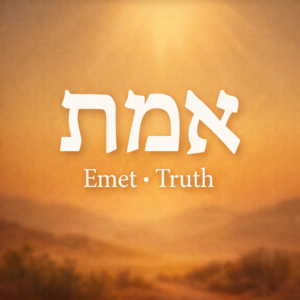
One fictional character is named Emet, the Hebrew word for “truth.” Rabbi Huberman explained that the letters of Emet come from the beginning, middle, and end of the Hebrew alphabet—symbolizing someone who listens fully, weighs both sides, and seeks what is whole. He wanted to be sure I gave this character those qualities.
Yet Emet’s journey reveals something deeper. He believes he holds the truth—but along the way, he learns to recognize and embrace a greater one.
In a world longing for clarity, how might our world change if we truly seek and are open to weighing both sides?
Redefining Fear
This search for deeper understanding helped with my recent morning Bible study from Isaiah, where the phrase “to fear the Lord” appeared several times. I’ve long struggled with this concept. How do we reconcile “fear” when Jesus called us to think of God as Abba, an affectionate term of father?
 When Fear Becomes Awe
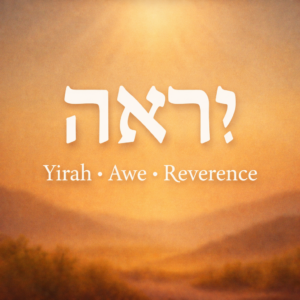
The Hebrew word used for fear is Yirah. It also means awe, reverence, respect, and wonder—the feeling you experience when something is so breathtaking it stops you in your tracks. A spectacular sunset. Snow glittering in the trees on a quiet morning. A newborn baby’s first breath.
When I reread Isaiah through the lens of wonder, everything shifted. I may not have always felt “awe” for my earthly father, but with Abba God indeed, I am in awe and wonder.
Scripture reminds us,
“The fear of the Lord is the beginning of wisdom.” — Psalm 111:10
When we understand fear as Yirah—awe, reverence, wonder—this verse becomes an invitation, not a warning. Wisdom begins when we truly see who God is and respond with trust.”
What might change in our faith, our relationships, and our world if we approached God not with fear that shrinks us, but with awe that draws us closer?
Is there a word or concept in the Bible that you’ve always struggled with? I’d love to hear about it in the comments.
It is my prayer that we daily live in wonder of the many gifts around us—gifts we so often take for granted. Blessings to you. Amen.